


Root Canal Treatment (Endodontic Therapy)
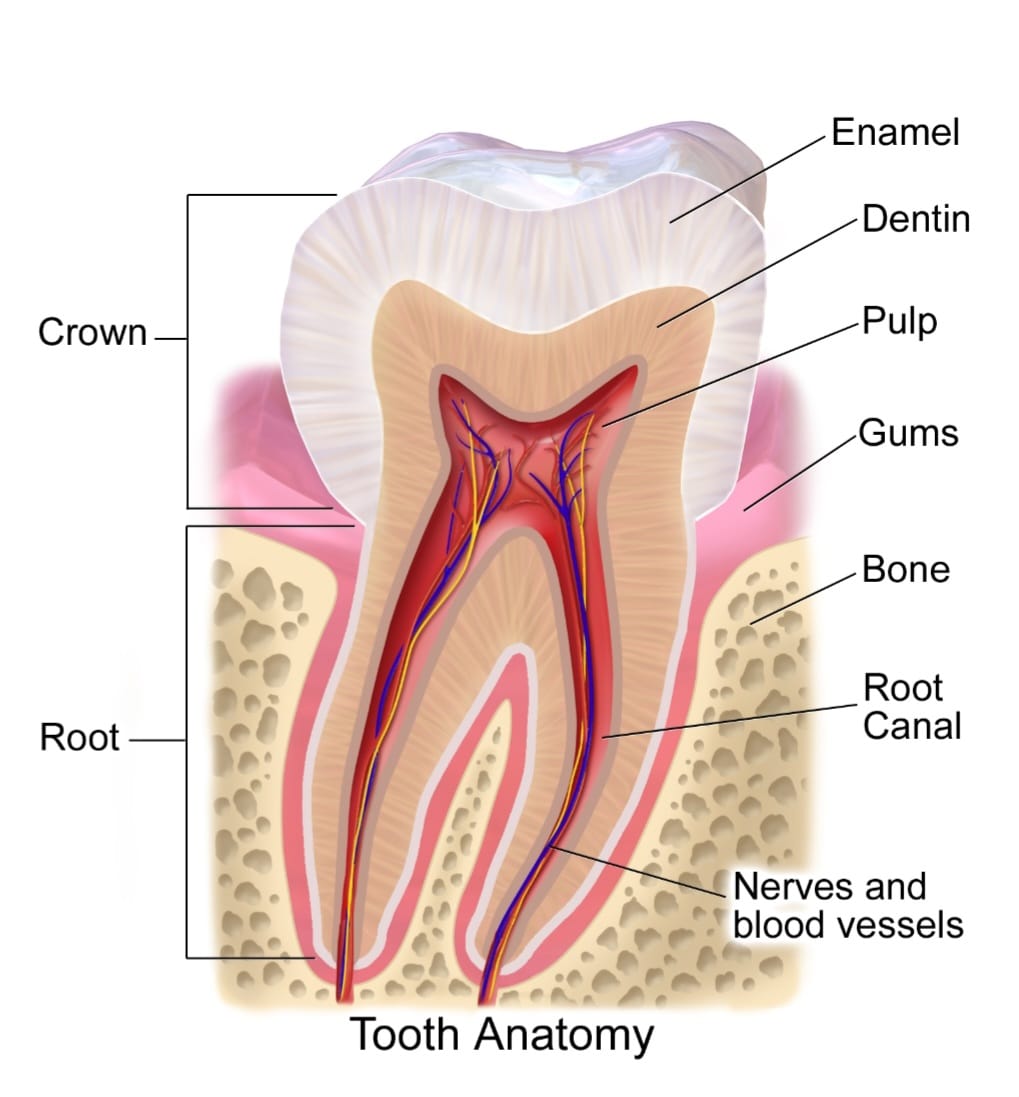
Root canal treatment is a highly specialized dental procedure that helps save teeth that would otherwise be lost due to infection or severe damage. Instead of extracting the tooth, the infected pulp inside the root canals is carefully removed, cleaned, and sealed, allowing the natural tooth to continue functioning for many years.
When Does a Tooth Need Root Canal Treatment?
- Not every toothache requires root canal therapy, but certain signs indicate the need for treatment, such as:
- Persistent tooth pain (especially when chewing or biting).
- Sensitivity to hot or cold that lingers after the stimulus is removed.
- Swelling or tenderness around the gums.
- Darkening of the tooth.
- Dental abscess (visible pimple-like swelling on the gums).
- If these symptoms are present, a dental evaluation and X-rays are necessary to confirm whether root canal therapy is required.
Local Anesthesia and Pain-Free Experience
One of the biggest concerns patients have is pain during treatment. Root canal therapy is performed under local anesthesia, ensuring that the patient feels no pain throughout the procedure.
If at any point the patient experiences discomfort, additional anesthesia can be given to guarantee a completely painless experience.
Steps of Root Canal Treatment
1.
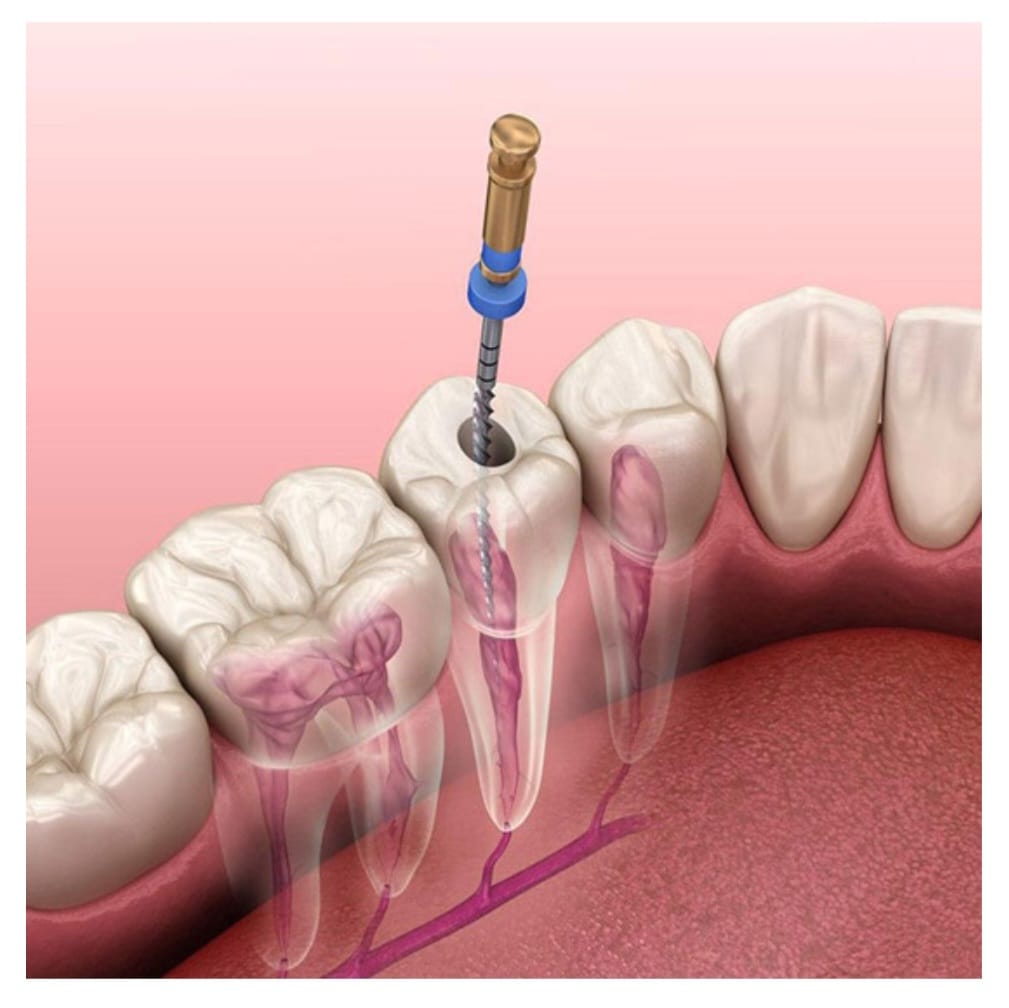
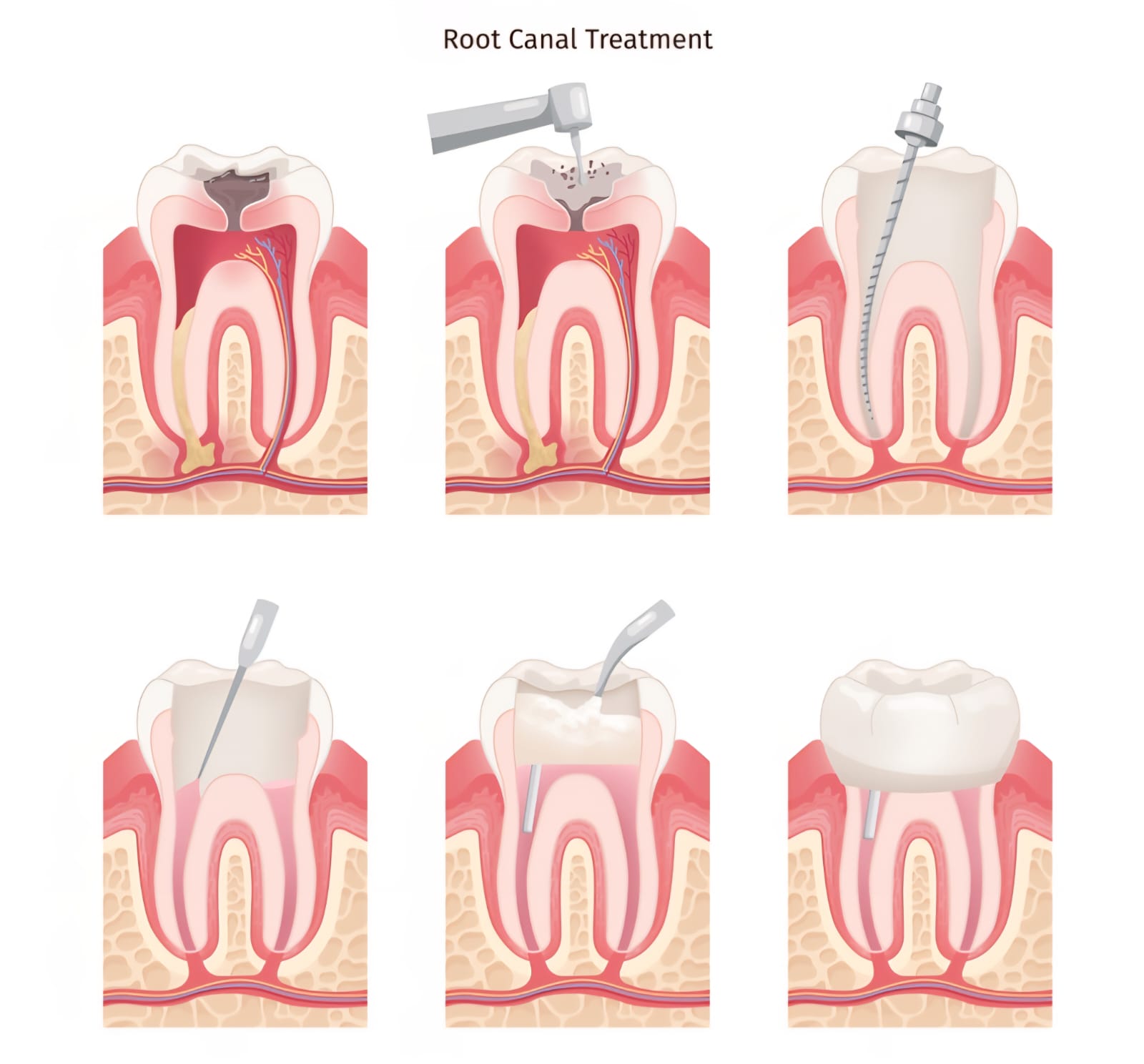
Diagnosis and Imaging – Using X-rays, we identify the extent of infection and the number of canals, which can vary depending on the type of tooth (molars often have 3–4 canals, while front teeth usually have 1).
2.
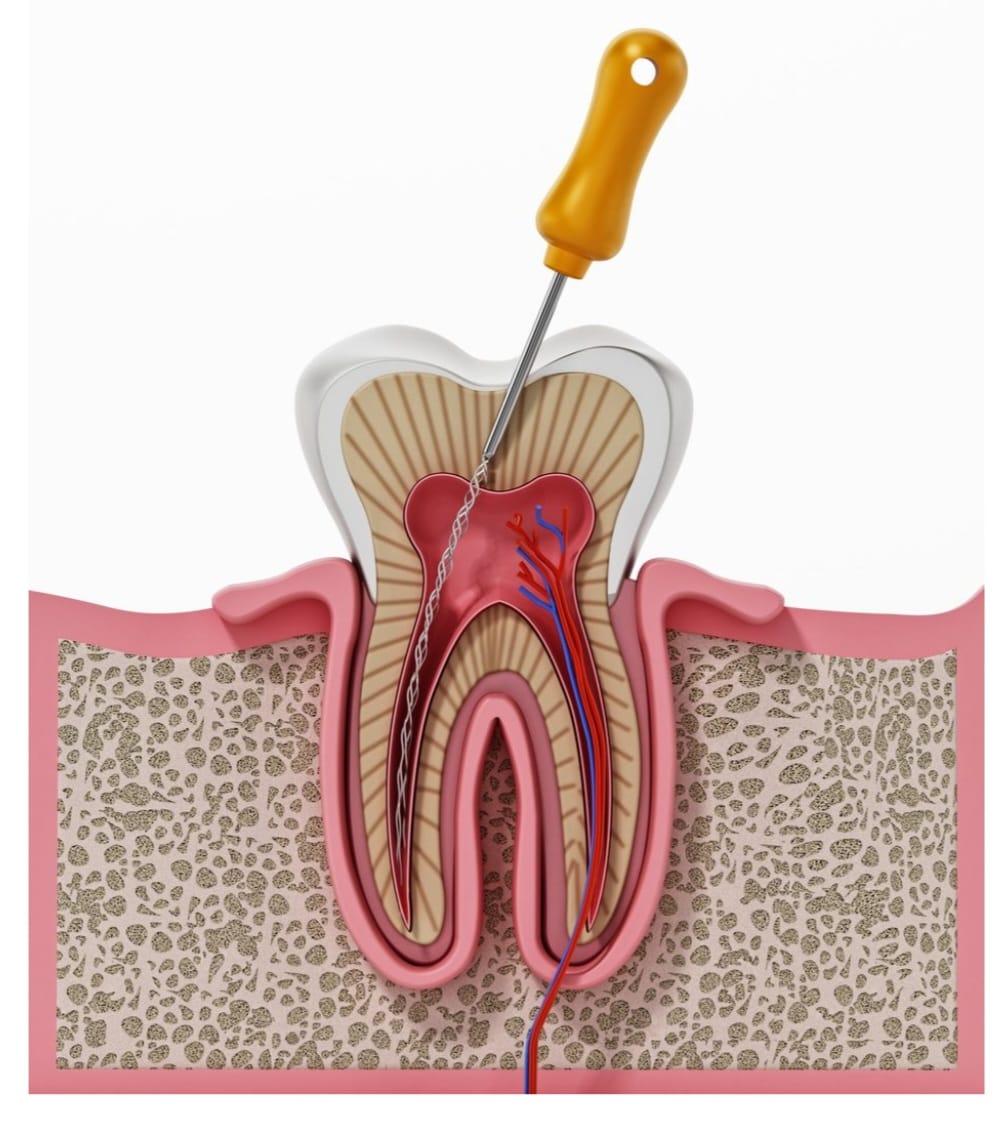
Access Opening and Cleaning – A small opening is made in the tooth to access the canals. Special instruments are used to carefully remove the infected tissue.
3.
4.
5.
Rubber Dam Isolation
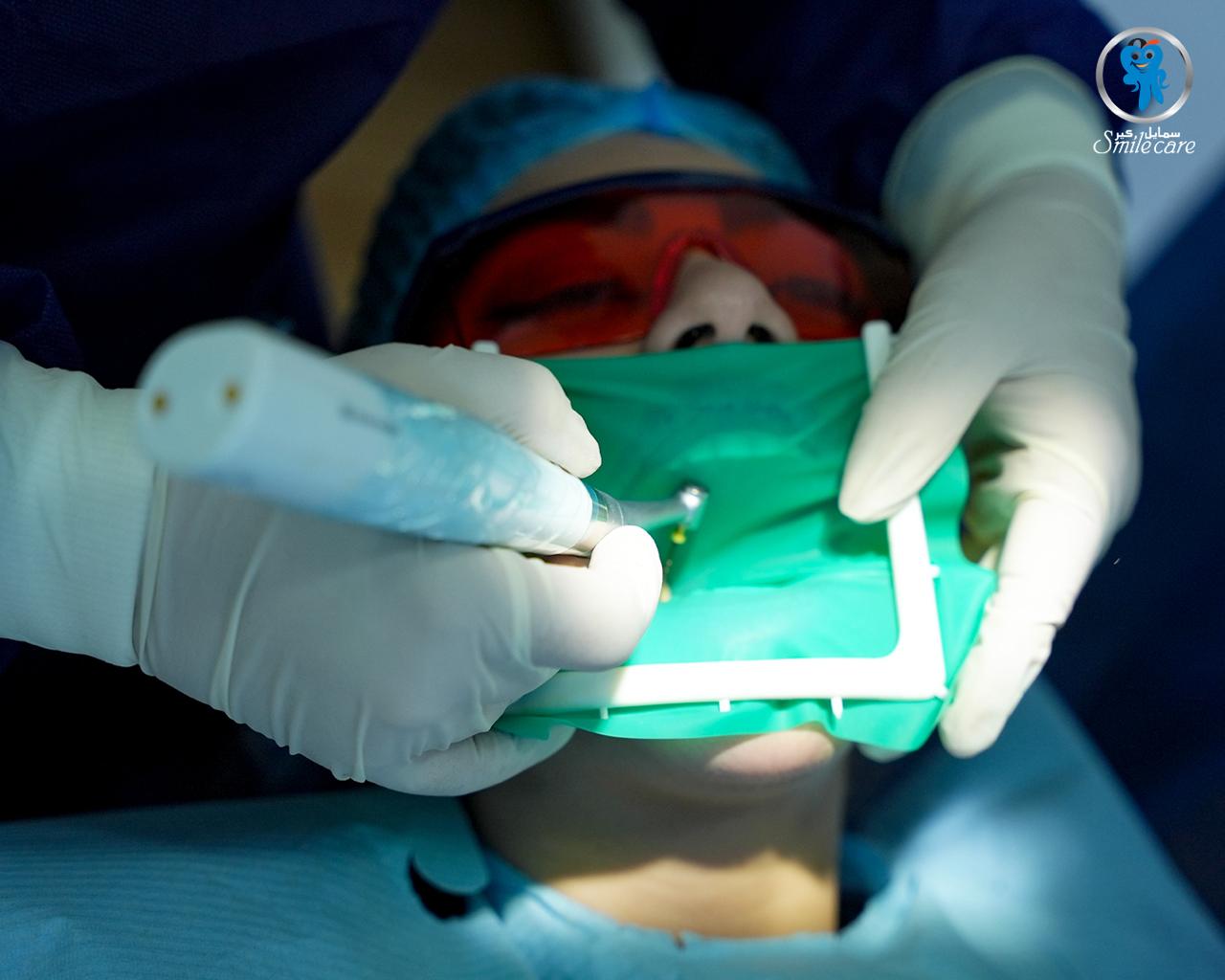
- During root canal therapy, the tooth is isolated with a rubber dam, which is a protective sheet placed around the tooth. This has several benefits:
- Prevents saliva and bacteria from contaminating the canals.
- Keeps the area dry for better accuracy and effectiveness.
- Protects the patient from accidentally swallowing instruments or materials.
- Rubber dam use is a standard of care and plays a key role in achieving predictable, safe outcomes.
Single-Visit Root Canal Treatments
After the Treatment: What to Expect
It’s normal to have mild to moderate discomfort for a few days after the procedure due to inflammation around the treated tooth.
This discomfort usually subsides with time and can be managed with common pain relievers.
Severe or persistent pain should be evaluated by your dentist.
How Long Does a Root Canal–Treated Tooth Last?
Factors Affecting the Longevity of a Root Canal–Treated Tooth:
- Quality of Treatment: If the root canal procedure is performed correctly and the canals are thoroughly cleaned and filled, the chances of long-term success and durability increase.
- Post-Treatment Care: Regular brushing, flossing, and routine dental check-ups are crucial for maintaining the health and longevity of the treated tooth.
- Type of Restoration: Using a high-quality crown or other protective restoration helps safeguard the treated tooth from damage.
- Oral Habits: Habits such as teeth grinding (bruxism) or chewing hard objects can compromise the treated tooth.
- Overall Health: Systemic conditions, such as diabetes or osteoporosis, may affect healing and the long-term survival of the tooth.
Retreatment of Root Canals ( Re-RCT )
While root canal therapy has a high success rate, some cases may require retreatment. This happens when the first treatment did not fully eliminate the infection or when new problems arise later. Common reasons include:
- Missed or inadequately cleaned canals.
- Poor sealing of the canals.
- New decay or cracks that reintroduce bacteria.
- Failure of the crown or restoration.
The experience and expertise of the dentist play a major role in preventing the need for retreatment. If the initial treatment is not done properly, patients may face complications that make future retreatment more difficult. For example:
- Separated files (instruments broken inside the canal).
- Ledges or blockages that prevent access to the full length of the canal.
- Overfilling or underfilling of the canals.
Such complications can significantly reduce the chances of successful retreatment. While retreatment can still save many teeth, it is not always possible to guarantee success if the tooth has been previously mishandled.
For this reason, it is crucial to ensure that your root canal treatment is performed by a dentist with proper training, skill, and experience in endodontics. Choosing the right clinician from the start can greatly increase the success rate and help you avoid unnecessary retreatments in the future.
Frequently Asked Questions About Root Canal Treatment
The only alternative to a tooth that needs a root canal is tooth extraction. Therefore, it is always better to preserve your natural tooth whenever possible.
Sometimes, the pain caused by an infected root canal may subside temporarily. However, this does not mean that root canal treatment is no longer needed. The infection can still spread, potentially affecting the gums and other teeth. Whenever you experience signs of infection or severe tooth pain, it is important to visit your dentist to address the problem.
Root canal treatment is safe for both the mother and the baby. However, to ensure safety and receive proper guidance, you should inform your dentist about your pregnancy before starting the procedure.
We will evaluate the health of your gums and assess the presence of
It is normal to experience toothache for up to 1 week to 10 days after a root canal. However, pain lasting longer than that may be caused by factors such as existing infection in the root, contaminated root canals, overfilled tooth, sodium hypochlorite leakage, or tissue damage.
between your gums and teeth (periodontal pockets) and assessing the level of gum inflammation
or bleeding.
No. Root canal treatment itself does not reduce the lifespan of a tooth. With proper oral hygiene and regular dental care, your treated tooth can last just as long as your natural teeth.