


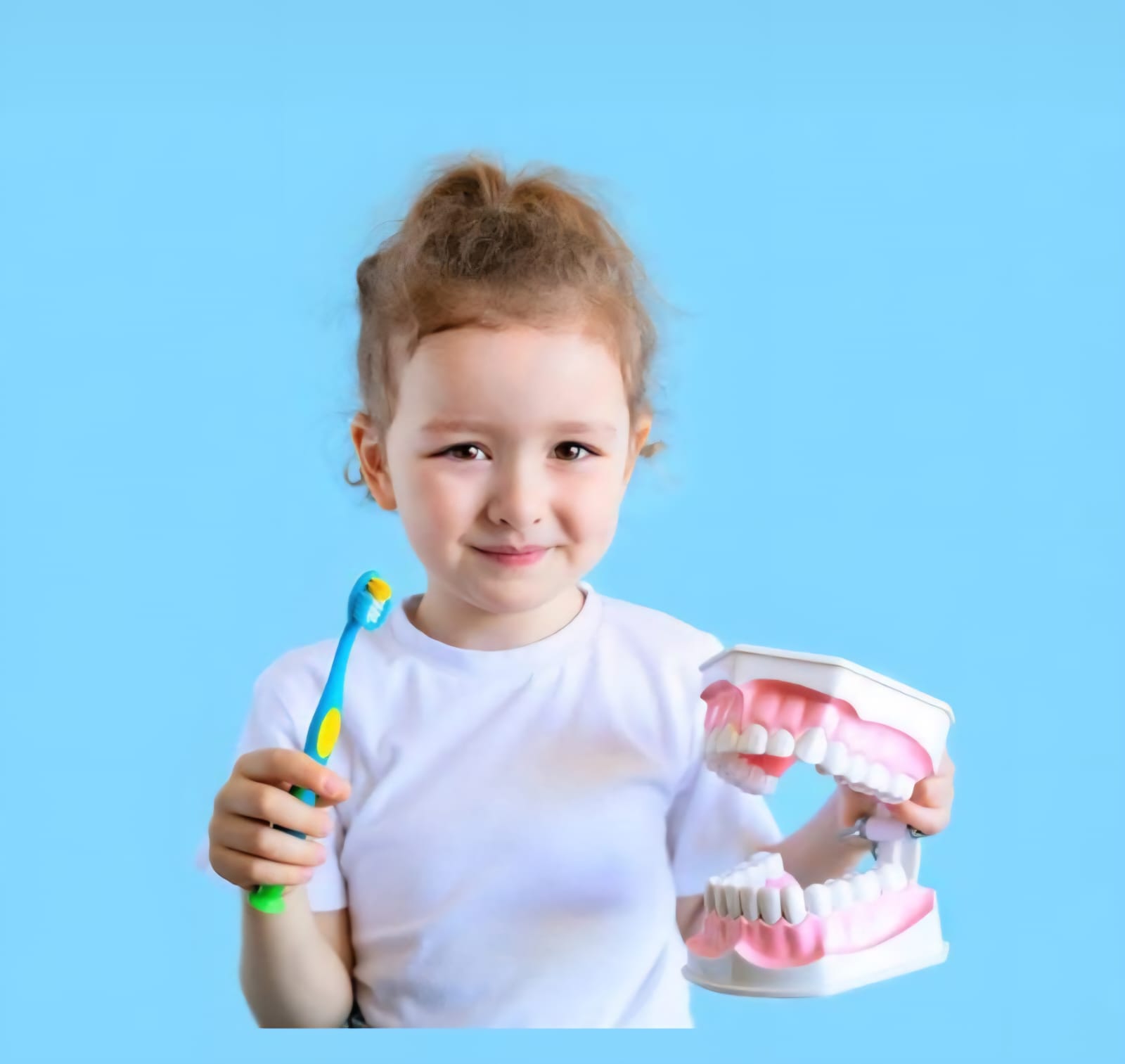

Pediatric Dentistry
Pediatric dentistry is a specialized branch of dental care dedicated to the oral health of infants, children, and teenagers. From the very first tooth to the teenage years, children’s mouths are constantly developing, and early dental care plays a vital role in ensuring lifelong oral health.
Why Pediatric Dentistry Is Important
- Early prevention: Regular dental visits help prevent cavities, gum disease, and other oral health issues before they become serious.
- Healthy habits: Children learn the importance of brushing, flossing, and proper nutrition at an early age.
- Guidance for parents: Dentists provide advice on teething, thumb-sucking, pacifier use, and dietary choices that affect oral health.
Our Pediatric Dental Services
Routine Check-ups and Cleanings
Gentle examinations and professional cleanings help maintain healthy teeth and gums, while detecting problems early.
Fluoride Treatments and Dental Sealants
Fluoride strengthens enamel and protects against decay. Sealants are thin coatings applied to back teeth to prevent cavities in hard-to-reach areas.
Restorative Care
If a child develops a cavity, we offer safe and effective treatments such as tooth-colored fillings or crowns designed for children.
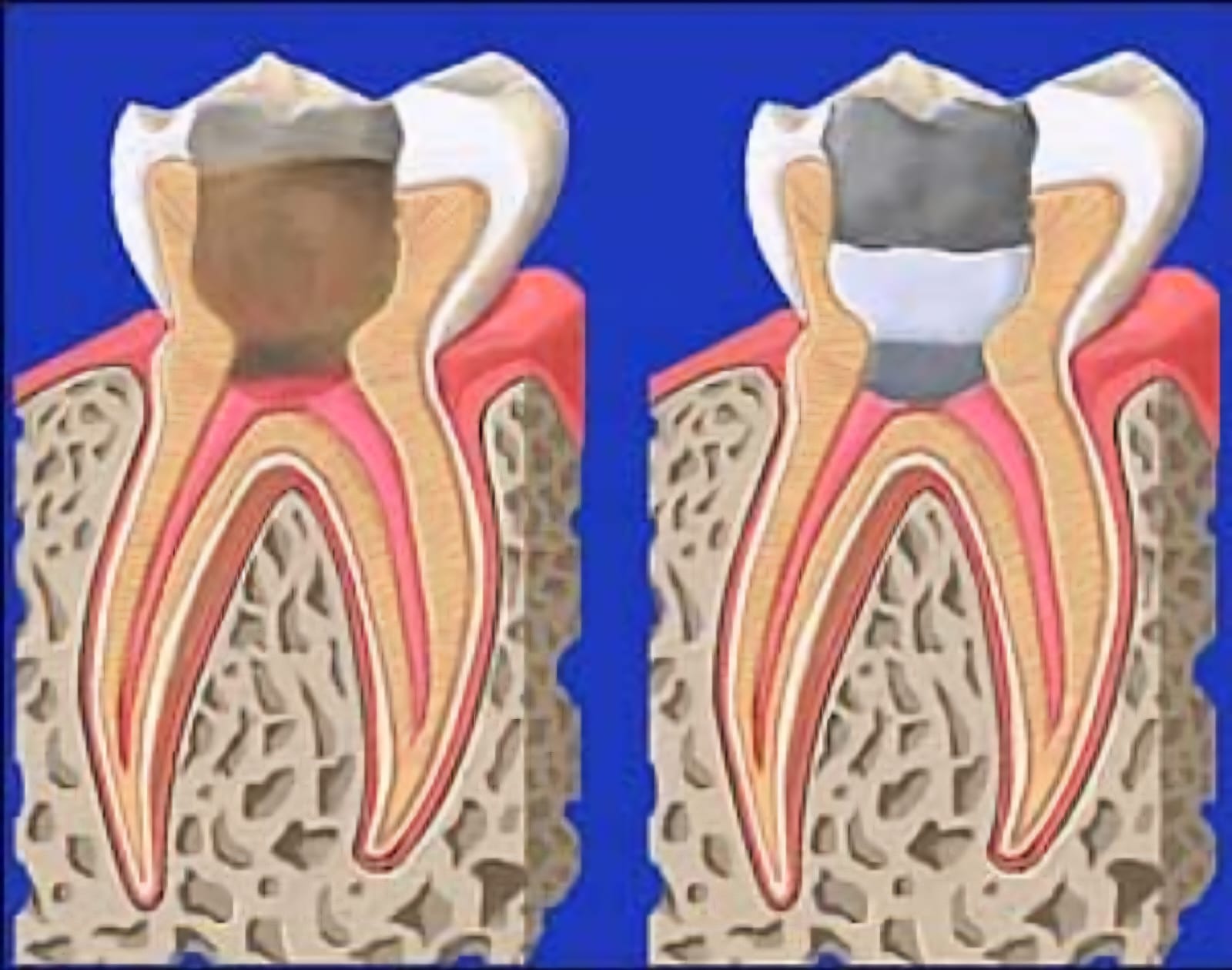
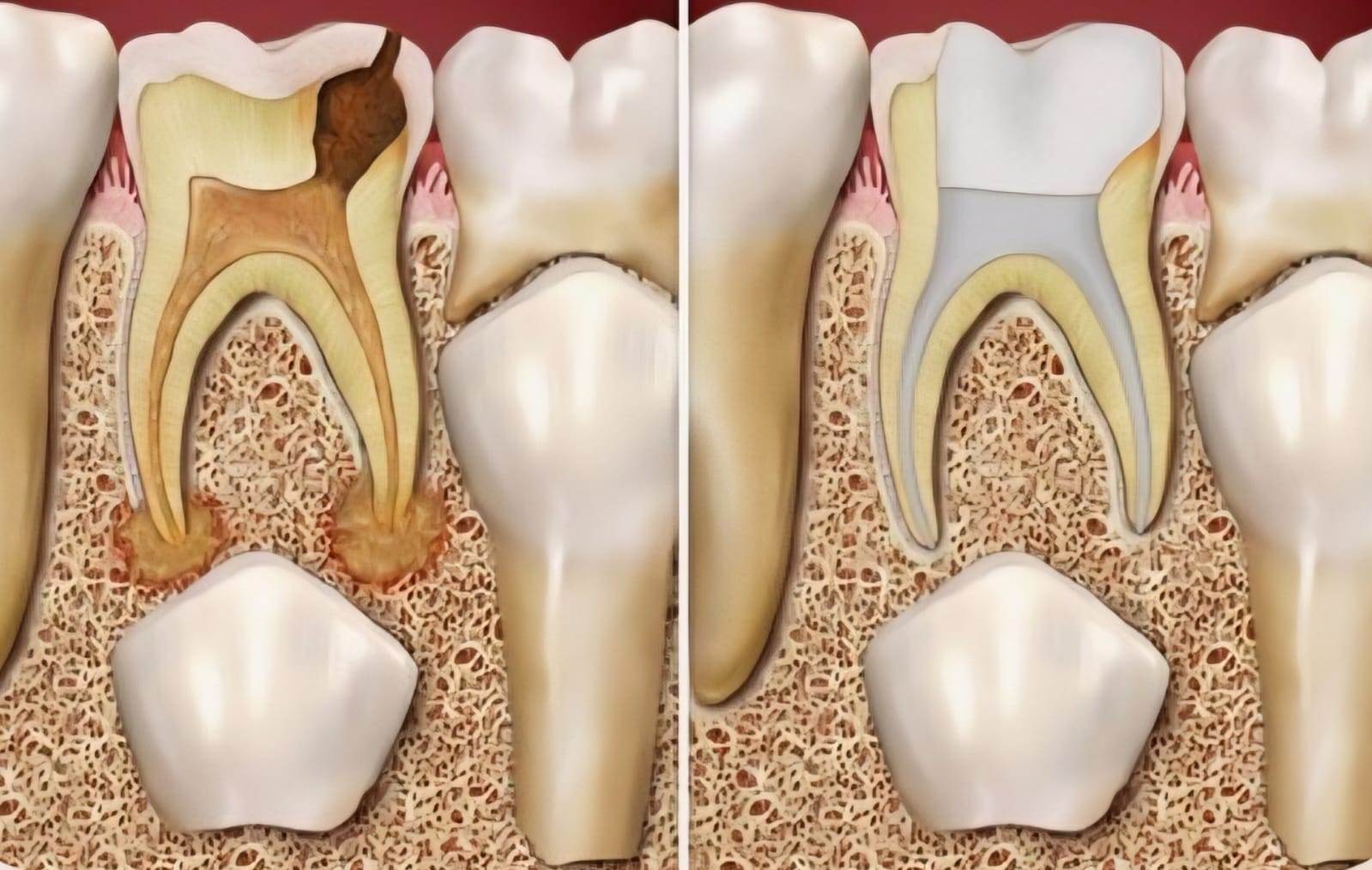
Pulp Therapy (Pulpotomy and Pulpectomy)
When a cavity reaches the inner nerve of a baby tooth, pulp therapy helps save the tooth and prevent infection:
Pulpotomy: Removal of the diseased portion of the tooth’s pulp while keeping the healthy part intact. This is usually done in primary teeth to maintain their function until they naturally fall out.
Pulpectomy: Complete removal of the tooth’s pulp when the infection is more severe, followed by filling the canals with a safe material. This treatment helps preserve the tooth and maintain proper spacing for permanent teeth.
Orthodontic Evaluation
Early evaluation can detect misaligned teeth or jaw growth problems, allowing timely intervention.
Emergency Dental Care
Children are active, and dental accidents happen. We provide quick treatment for issues such as knocked-out teeth, fractures, or toothaches.
Special Care for Anxious Children
Our team is trained to manage dental anxiety with a compassionate approach, using behavior management techniques.
Creating a Positive Experience
We understand that children may feel nervous about dental visits. That’s why our clinic provides:
- A warm, friendly, and child-centered environment.
- Gentle communication to build
trust and confidence. - Encouragement to make every visit enjoyable and stress-free.
- Building Healthy Smiles for the Future
By starting dental care early, parents can ensure their children grow up with strong, healthy teeth and the confidence that comes with a bright smile. Pediatric dentistry is not just about treating problems — it is about prevention, education, and setting the foundation for lifelong oral health.
Guidance for Parents
Parents play the most important role in helping children build healthy dental habits. Pediatric dentistry focuses not only on treating teeth but also on educating families about prevention and long-term oral health.
Oral Hygiene at Home
- Brushing: Children should start brushing as soon as the first tooth erupts. Use a soft-bristled toothbrush and a pea-sized amount of fluoride toothpaste (for ages 3 and up; a smear for younger children). Brushing should be done twice daily with supervision until the child develops proper hand skills.
- Flossing: Begin flossing as soon as two teeth touch. This prevents cavities between teeth, which are common in children.
- Routine: Turning brushing and flossing into a fun daily routine (using songs, timers, or reward charts) helps children develop lifelong habits.
Nutrition and Oral Health
Diet has a direct impact on a child’s dental health. Parents should encourage healthy choices and limit harmful foods:
Foods and habits to avoid or limit:
- Sugary snacks and drinks: candies, cookies, sodas, and juices with added sugar.
- Sticky foods: dried fruits, caramel, and gummy candies.
- Frequent snacking: gives bacteria more time to produce acids that weaken enamel.
- Bedtime bottles: milk, juice, or formula during sleep can cause “baby bottle tooth decay.”
Healthy alternatives:
- Fresh fruits and crunchy vegetables like apples, carrots, and cucumbers.
- Cheese, yogurt, and milk for strong teeth and bones.
- Water as the main drink throughout the day.
Habits and Lifestyle
- Thumb-sucking and pacifiers: Normal in infants, but if continued beyond age 3–4, they may affect the alignment of teeth and jaw growth.
- Mouthguards for sports: Active children should wear protective guards to prevent dental injuries.
- Regular dental check-ups: Visiting the dentist every six months ensures problems are detected early.
By following these guidelines and seeking professional pediatric care, parents can protect their children from preventable dental issues, encourage strong and healthy development, and make dental care a natural part of everyday life.